Grand Cayman is an island of dualities. On one hand, you have the cosmopolitan flair of George Town and the curated luxury of Seven Mile Beach; on the other, you have the rugged beauty of the East End and the traditional charm of the North Side. While many visitors are content to remain within the comfortable confines of their resorts, the true essence of the Cayman Islands is found along the hidden paths of the island.
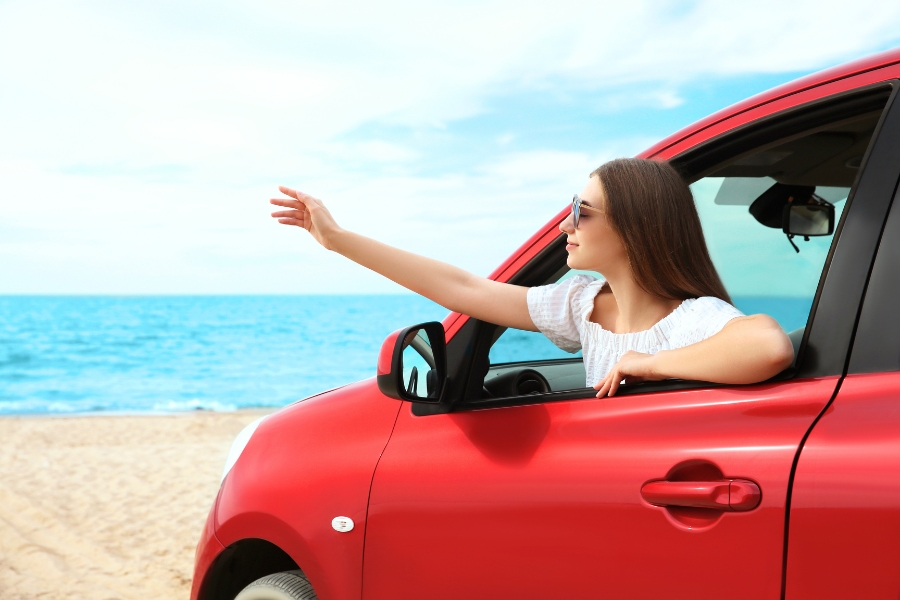
To find the genuine heart of Grand Cayman, you need the freedom of the open road. While taxis and tour buses are readily available, they often adhere to strict schedules and fixed itineraries. By renting a vehicle, you gain the autonomy to linger at a secluded lookout or take a spontaneous detour down a sand-dusted lane.
The decision to drive in Grand Cayman is the first step toward an authentic island experience. It is not merely a transportation option, but rather, an immersive journey through history, geology, and Caribbean culture. To help you plan your scenic coastal drive, we have listed five must-see stops along the island loop.
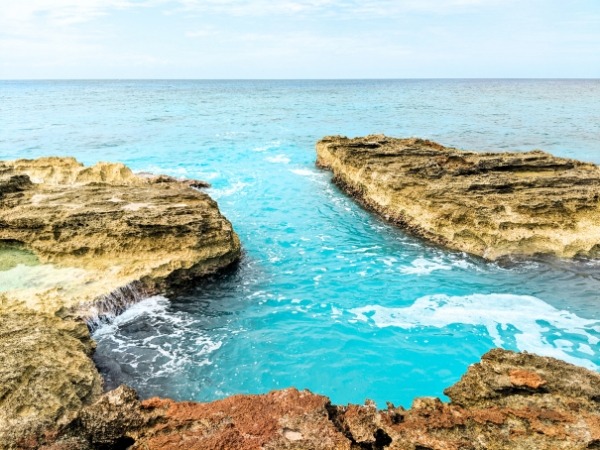
As you begin your journey heading south from the capital, your first stop is Smith Barcadere, also known as Smith Cove. Located in the South Sound area, this spot is a quintessential example of the island's natural beauty. Unlike the long, flat stretches of Seven Mile Beach, Smith Barcadere is framed by weathered ironshore, characteristic of Caymanian coasts.
Visitors to Smith Barcadere will find a stunning turquoise cove protected by coral reefs. It is arguably the best place on the island for an introductory snorkel, as the reef is located just a few yards from the shore. The water is remarkably clear, allowing you to see vibrant parrotfish and sea fans without needing a boat.
For those who prefer to stay dry, the area is shaded by ancient sea grape trees and almond trees, providing a perfect place for a morning picnic. It is a favourite spot among residents, offering a more communal, authentic atmosphere than the more commercialised beach strips or luxury resorts.
Continuing east, the road leads you into Bodden Town, the original capital of the Cayman Islands. This village serves as a historical anchor for the island, standing in stark contrast to the modern development of the west side. As you drive, you will notice Caymanian cottages with their distinctive sand yards, a tradition that persists in many older households.
The primary attraction here is the Mission House. This historic site provides a window into the life of early settlers during the 1700s and 1800s. After soaking in the history, take a moment to walk along the Bodden Town beach. While the water here is shallower and often filled with seagrass, it is an excellent place to observe local fishermen.
Before leaving, make sure to stop at a local roadside stand. Bodden Town is famous for its authentic Caribbean cuisine, one that you should not miss. A delicious plate of jerk chicken or steamed fish with provisions, local root vegetables, is a mandatory food stop for any coastal explorer.
As you round the southeastern corner of the island, the landscape shifts dramatically. The water becomes choppier, and the coastline grows more rugged. This is the East End, where the power of the Atlantic-facing Caribbean Sea is on full display. It is a place of raw beauty and deep-seated heritage that demands a slow pace and a keen eye.
The Blowholes are a natural phenomenon caused by the sea forcing water through narrow chimneys in the ironshore rock. When the swells are high, the water erupts in massive geysers that can reach several metres into the air, accompanied by a thunderous roar. There is a small turnout where you can park and walk out onto the rock shelf.
Beyond the Blowholes, the East End drive offers a glimpse into the maritime history of the Cayman Islands. As you continue along Sea View Road, you will encounter the Wreck of the Ten Sail memorial, which commemorates a 1794 shipwreck where locals heroically saved the crews of ten merchant ships.
From the rugged East End, the road turns back toward the west along the North Side of the island. This stretch of the drive in Grand Cayman is perhaps the most scenic, with the ocean on one side and lush tropical vegetation on the other. Your destination is the tranquil enclave of Rum Point. Known for its calm, shallow waters and towering Casuarina pines.
This area recently underwent a significant renovation, making Rum Point a premier destination for both relaxation and adventure. Visitors can lounge on the expansive new deck and enjoy a world-class meal. For those seeking activity, the beach offers volleyball, stand-up paddleboarding, and glass-bottom boat tours that depart directly from the dock.
Just a few minutes away lies Starfish Point. This secluded beach is famous for its red Cushion Sea Stars that congregate in the clear, knee-deep shallows. It is a magical experience to see these creatures in their natural habitat. Visitors are reminded to keep the starfish submerged at all times, as lifting them out of the water can cause them harm.
To complete the loop, you will drive back toward the west through the district of West Bay. No coastal tour would be complete without a stop at one of the island's most curiously named locations: Hell. This site features a sprawling formation of blackened, jagged limestone. These eerie, needle-like structures created a landscape that truly looks infernal.
While the rock formation itself is a geological marvel, the site has embraced its name with a sense of humour. There is a small post office where you can send postcards to friends and family with an official "Hell, Grand Cayman" postmark. You can also visit the themed gift shops where staff famously work "hell" into every sentence and browse for unique souvenirs.
Just a few minutes away from the limestone formations, you can extend your stop by visiting the Cayman Turtle Centre or taking a horseback ride along the pristine beaches of Barker's National Park. West Bay is also home to Macabuca, one of the island's best shore-diving spots, where you can watch the waves crash against the ironshore.
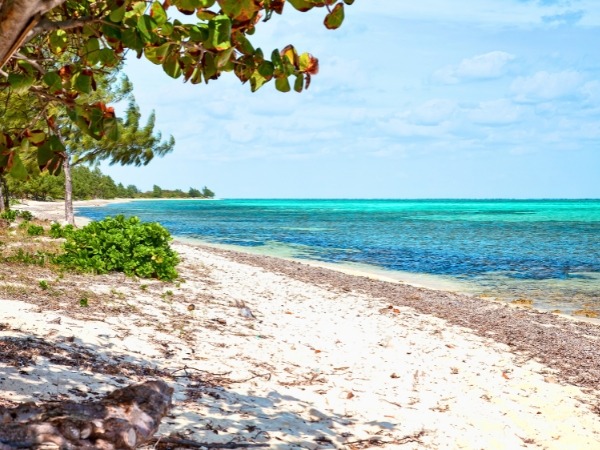
A scenic coastal drive in Grand Cayman is the most effective way to explore this beautiful British Overseas Territory. It allows you to move at your own rhythm, discovering that the island’s true wealth lies not just in its luxurious district, but in its rugged charm. It also helps you have a deeper understanding of the history and spirit of the Caymanian people.
The freedom of the open road is the best gift you can give yourself during your trip. Do not leave your adventure to chance or the constraints of a tour group. Rent a car in the Cayman Islands today and set off on a journey that will undoubtedly be the highlight of your Caribbean getaway.