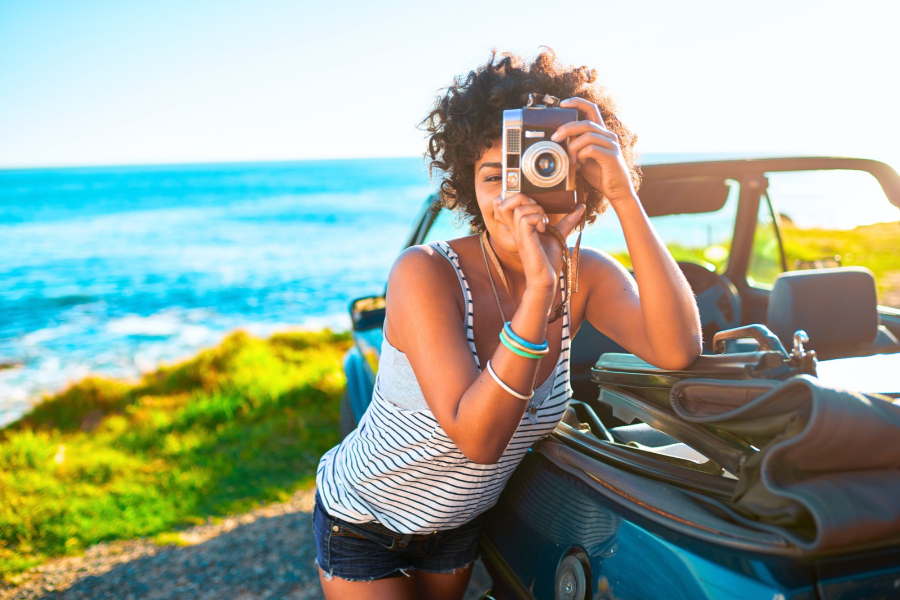
The Cayman Islands, a sun-drenched British Overseas Territory tucked away in the western Caribbean Sea, represent an idyllic haven for visual storytellers and photographers alike. Comprising three distinct islands, this archipelago is celebrated worldwide for its crystal-clear turquoise waters, powdery coral-sand beaches, and remarkable diversity of coastal terrain.
Whether you aim to capture serene seascape landscapes, vibrant marine life, or raw geological formations, the islands offer an array of scenery that draws photographers from across the globe. The vibrant turquoise hues of the sea merge seamlessly with brilliant white shores, lush tropical flora, and limestone shorelines.
Furthermore, the tropical climate delivers spectacular light conditions, ranging from soft pastel tones at dawn to fiery coral hues as the sun dips below the horizon. Finding picturesque spots in the Cayman Islands is an effortless pursuit, as every coastline and district reveals a unique visual story waiting to be framed through a lens.
This guide provides a comprehensive roadmap designed to help you discover the finest photography locations across Grand Cayman, Cayman Brac, and Little Cayman. In addition to highlighting the top visual landmarks, we will cover essential technical and logistical tips, including advice on lighting, gear management, and why hiring a vehicle is the single best decision you can make to ensure you reach every destination at the perfect moment.

Grand Cayman, the largest of the three islands, boasts an extraordinary blend of world-famous coastal stretches, historic architectural charm, and natural geological wonders.
Seven Mile Beach remains an iconic setting for landscape and lifestyle photography. Extending along the western coast, this long crescent of coral sand provides an uninterrupted view of the Caribbean Sea. It is particularly renowned for sunset photography, where calm waters mirror the dramatic colours of the sky, offering endless composition possibilities featuring gentle waves, coconut palms, and distant sailing vessels.
Travelling towards the East End brings you to the Blowholes, a dynamic coastal location where ocean swells crash into ironshore limestone passages. The force of the water drives magnificent sprays of foam high into the air. Capturing these sudden water eruptions requires careful timing and fast shutter speeds, resulting in action-filled compositions against the rugged ocean backdrop.
On the northwestern tip of Grand Cayman lies West Bay, home to the unique geological site known as Hell. This location is characterised by a dense field of jagged, black limestone formations created over millions of years. The stark texture and dark tones of these ancient limestone pinnacles provide a dramatic, moody aesthetic that contrasts sharply with the island’s typical sun-soaked beaches.
Stingray City and the shallow sandbar present an unmatched setting for marine photography. Located in North Sound, these shallow sandbars allow photographers to be wreathed in chest-deep, crystalline water whilst wild southern stingrays glide gracefully around them. Over-under split shots, capturing the marine activity beneath the surface alongside the bright blue sky above, are exceptionally popular here.
Further northeast, Rum Point and Starfish Point offer a tranquil contrast to the busier western shore. Starfish Point features shallow, clear waters populated by bright red and orange cushion sea stars against a clean sandy bed. Nearby Rum Point provides classic Caribbean scenes with gentle shallow waters, vibrant piers, and shading Casuarina trees that filter the tropical sunlight.
Rounding out Grand Cayman’s visual offerings are George Town Harbour and South Sound. George Town showcases colourful traditional Caribbean architecture, historic heritage sites, and visiting cruise liners. Meanwhile, South Sound offers serene, tree-lined coastal lanes and historic wooden gingerbread cottages framed by calm, reef-protected waters.

While Grand Cayman holds many famous sights, travelling to the other islands gives you access to landscapes that remain largely untouched by commercial development. The tranquil Sister Islands offer pristine scenery and natural wonders that reward adventurous photographers.
Cayman Brac is dominated by the Bluff, a massive limestone plateau that rises majestically towards the eastern end of the island, reaching heights of over 140 feet above sea level. Standing atop these sheer cliffs delivers breathtaking panoramic views of the crashing ocean below. The island is also riddled with limestone caves, such as Peter’s Cave and Rebecca’s Cave, where intricate rock structures and skylights offer intriguing opportunities for low-light photography.
Little Cayman, the smallest of the three islands, represents the ultimate peaceful escape. Point of Sand on the eastern tip is a pristine, remote beach where pink-tinted sand meets turquoise waters, offering unobstructed views towards Cayman Brac. For underwater photographers, the world-famous Bloody Bay Wall Marine Park features a sheer vertical drop-off teeming with colourful sponges, native corals, and marine life in extraordinarily clear water.

Capturing exceptional photographs in a tropical environment requires careful preparation and an understanding of local conditions. Here are essential tips to help you maximise your photographic results.
Achieving spectacular photography in the Cayman Islands relies heavily on understanding and adapting to the tropical sunlight. The early morning hours, often referred to as the golden hour, provide soft, warm light that minimises harsh shadows and enhances the warm tones of the sand and limestone structures. Early mornings also offer the added benefit of calm wind conditions and deserted beaches, allowing you to compose clean images without crowds.
Late afternoon leading into sunset yields another golden window where the sky transforms into shades of deep orange, pink, and purple. Midday sunlight in the Caribbean can be intense, creating high contrast and heavy shadows. However, this is precisely when the ocean displays its most vivid blue and turquoise tones.
To capture these brilliant water colours effectively, utilise a circular polarising filter. Polarising filters eliminate glare from the surface of the water, allowing the camera to capture the rich colours beneath and adding depth to shallow water compositions. Additionally, keep an eye on tropical cloud formations, as dramatic sky patterns can add interest to expansive coastal horizon shots.
To capture picturesque spots in the Cayman Islands under optimal lighting conditions, mobility is vital. Public transportation routes do not cover all remote coastal locations, and taxi services can become costly when travelling between multiple sites throughout the day.
Renting a car provides the freedom and flexibility required to execute a successful photographic itinerary. Having your own vehicle allows you to travel to the eastern side of the island for dawn light and return to the western shores for sunset without rigid schedules. It also enables you to transport heavy camera equipment securely.
When travelling around the island with delicate photography equipment, take precautions regarding temperature shifts. Moving gear quickly from an air-conditioned rental vehicle into warm, humid tropical air will cause condensation to form inside lens elements. To prevent this, allow your camera gear to warm up gradually before shooting. Always carry microfiber cloths and dry bags to protect your gear from saltwater spray and sudden tropical rain showers.

Is it easy to drive to picturesque spots in the islands? Driving around the Cayman Islands is safe and straightforward thanks to well-maintained, clearly signposted roads. You will just need to remember to drive on the left-hand side of the road in accordance with local traffic laws.
What is the best time of day for taking beach photos? Early morning and late afternoon golden hours provide the softest light and warm tones for coastal landscapes without harsh shadows. Midday is ideal if you want to highlight the brilliant turquoise water colours, provided you use a polarising filter to manage surface glare.
What gear must I keep in my car for coastal photography? Keep a sturdy tripod for sunset exposures, circular polarising filters for water clarity, and microfibre cloths to clean off salt spray. A waterproof dry bag is also essential to protect your gear during unexpected rain showers or coastal outings.
Are drones allowed for aerial photography in the islands? Recreational drone flying is permitted, but you must strictly follow the rules set by the Civil Aviation Authority of the Cayman Islands. Drones must never be flown within airport exclusion zones, over dense crowds, or near sensitive wildlife areas.
Where can I safely park my vehicle near photography locations? Most major beaches, scenic pull-offs, and popular attractions offer free designated parking lots or clear roadside parking areas. Always ensure your vehicle is parked fully off the main roadway and avoid blocking private driveways or protected vegetation.
How can I protect my camera gear while driving in humid spots? Moving your equipment directly from an air-conditioned car into a humid environment can cause condensation to form inside your lenses. To prevent this, place your gear in a sealed camera bag and allow it to adjust gradually to the outside temperature.
The Cayman Islands offer an exceptional variety of visual experiences for photographers of all skill levels. From the iconic white sands of Seven Mile Beach and the unique limestone formations at Hell to the dramatic cliffs of Cayman Brac and the peaceful shores of Little Cayman, discovering picturesque spots in the Cayman Islands is a rewarding journey.
By planning your shoot around optimal light conditions, coming prepared with the right equipment, and respecting the islands’ pristine environment, you can take breathtaking photos that showcase the authentic charm of these Caribbean gems.
To freely enjoy your creative journey, securing your mobility is essential. Renting a car gives you full control over your itinerary, allowing you to chase the morning light, discover hidden coastal gems, and reach remote photography destinations. Book your rental car today and prepare to capture the natural beauty of the Cayman Islands.