The Cayman Islands, a trio of sun-drenched gems in the western Caribbean, offer far more than just luxury resorts and world-class diving. While many visitors are content to stay within the confines of Seven Mile Beach, the true magic of Grand Cayman, Cayman Brac, and Little Cayman is found in the hidden coves, local fish fries, and rugged eastern coastlines that remain inaccessible to those without their own transport.
Driving in the Cayman Islands is not merely a convenience; it is the key to unlocking an authentic island experience. The road infrastructure in the archipelago is among the best in the Caribbean. As a British Overseas Territory, the islands benefit from well-paved surfaces, clear signage, and a disciplined approach to traffic management.
However, for those accustomed to driving on the right side of the road or navigating massive interstates, the transition requires a bit of mental adjustment. From the bustling streets of George Town to the quiet coastal roads of the North Side, understanding the local driving landscape is essential for a stress-free road trip.
Before you get behind the wheel, you must ensure you have the documents legally required to drive in the islands. If your driver's licence is in English and issued by a country that is a signatory to the Geneva Convention, you can drive for up to six months without needing a separate local or international permit.
However, if you come from a country that is not a Convention signatory, you can only drive for a month. Furthermore, if your licence is in a language other than English, you are required to carry an International Driving Permit (IDP) alongside your original document. It is also vital to keep your rental agreement and proof of insurance in the vehicle at all times.
The most significant adjustment for many tourists is the British legacy of driving on the left-hand side of the road. This requires an adjustment period and extreme mental focus, particularly when pulling out of parking lots or turning onto a quiet street where there is no surrounding traffic to serve as a visual guide.
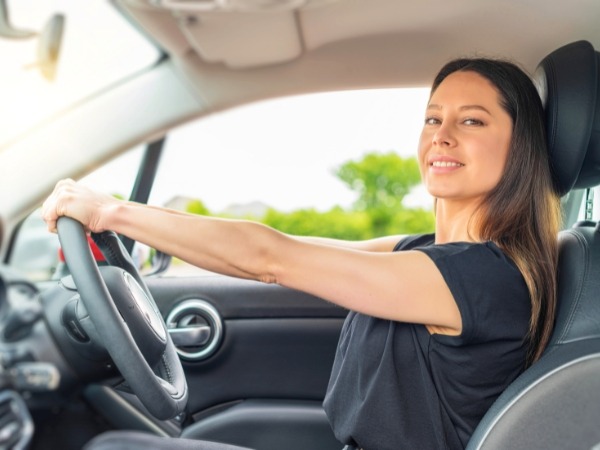
Complicating matters slightly is the fact that the rental fleet in the Cayman Islands is a mixture of right-hand and left-hand drive vehicles. You may find yourself in a car where the steering wheel is on the left, but you must still maintain your position in the left lane of the road. If you are in a left-hand drive car, pay extra attention to your distance from the kerb.
Roundabouts are the primary method of traffic control in the Cayman Islands, having replaced most intersections to reduce congestion. The most critical rule to remember is that you must always yield to traffic already in the circle coming from your right. Entering a roundabout requires a gap in traffic. Once you are inside, you have the right of way.
Navigating multi-lane roundabouts requires planning your lane choice. Generally, the left lane is reserved for those taking the first exit or going straight through, while the right lane is for those turning right or making a full U-turn. You should always use your indicators to signal your intention to exit, allowing drivers waiting to enter the roundabout to do so safely.
While the Cayman Islands are relatively small, the interior roads of Grand Cayman can be a winding labyrinth for those unfamiliar with the terrain. Relying on physical maps can be distracting while driving, so using a mobile navigation tool is highly recommended. Digital maps can provide real-time updates on traffic or road closures on the islands.
However, because mobile data roaming can be expensive and signal strength may vary in remote areas, you should download offline maps of the islands on your phone and verify the route before leaving your hotel. This ensures that you will never be lost, even if your cellular connection drops, and you will be more comfortable with the turns and junctions ahead.
The driving culture in the Cayman Islands is generally polite, patient, and far less aggressive than in major metropolitan areas. Understanding the etiquette is key to a low-stress experience. Avoid aggressively beeping the car horn, which is only used as a brief greeting or a warning for immediate danger.
You will frequently encounter the Cayman Wave, a local custom where drivers allow others to merge into traffic or pull out of side streets. If a driver flashes their high beams at you at a junction, they are typically inviting you to proceed. It is customary to acknowledge this gesture with a friendly wave of thanks.
Speed limits in the Cayman Islands are strictly enforced and are always measured in miles per hour (mph), not kilometres. In residential areas, school zones, and the busy town centres, the limit is usually 25 to 30 mph. On the arterial highways, the limit may rise to 40 or 50 mph, but these zones are often short and transition quickly back into lower-speed areas.
The Royal Cayman Islands Police Service is very active in monitoring speed with radar equipment, often positioning themselves in areas where the limit changes abruptly. Speeding fines are substantial and can put an unnecessary dent in your travel budget. It is always better to maintain a steady, legal pace and enjoy the scenery rather than rushing.
Protecting children is a top priority on Caymanian roads, and school zones have strictly enforced rules. When you see a yellow school bus stopped with its red lights flashing, you must stop regardless of which direction you are travelling. Unlike in other countries, traffic on both sides of the road must stop until the bus retracts its signal and begins to move again.
Additionally, many school zones have reduced speed limits of 15 mph during specific hours of the morning and afternoon. These areas are clearly marked with signage and often have flashing lights to alert drivers when the lower limit is in effect. Violating school zone speed limits or bypassing a stopped school bus carries heavy penalties.
As you drive through the rural parts of the islands, you must remain vigilant for local wildlife crossing the roads. On Grand Cayman, it is common to see large iguanas basking on the warm asphalt. In Cayman Brac and Little Cayman, land crabs frequently migrate across the roads in large numbers, and wandering livestock like goats or cows may also appear.
Colliding with wildlife can be dangerous for the animals and can cause significant damage to your rental vehicle. Visibility can be particularly low during dawn and dusk, which are peak times for animal movement. Driving with caution in these areas and keeping a sharp eye will help ensure that you avoid accidents.
The Cayman Islands have incredibly strict laws regarding driving under the influence of alcohol. The legal blood alcohol limit is 0.07%, which is lower than the 0.08% limit found in many parts of the United States. Given the tropical climate and the strength of local cocktails, it is very easy to unintentionally exceed this limit after just one or two drinks.
Police frequently conduct sobriety checks, especially during the evenings and holiday weekends. The penalties for a DUI conviction include heavy fines, the immediate loss of driving privileges, and potential imprisonment. If you plan on visiting a beach bar or enjoying a night out at the clubs, use a taxi service or designate a driver who will remain sober.
Fuel in the Cayman Islands is imported and can be significantly more expensive than in other countries. Prices are quoted in Cayman Islands Dollars and are sold by the Imperial Gallon. An Imperial Gallon is roughly 1.2 US gallons, so while the price on the sign might look high, remember that you are purchasing a larger volume of fuel.
Most gas stations on the islands are full-service, meaning an attendant will pump your fuel and often offer to check your oil or clean your windscreen. You can remain in your car and pay the attendant directly via card or cash, including a small tip for their service as a common courtesy.
Driving in the Cayman Islands is an experience that transforms a standard vacation into a true Caribbean adventure. It provides the freedom to find that perfect, secluded stretch of sand at Barefoot Beach or to enjoy a sunset dinner at a remote restaurant in West Bay without worrying about waiting for a return taxi. The roads are safe, the locals are courteous, and the scenery is breathtaking.
While the prospect of driving on the left and navigating roundabouts might seem daunting at first, the learning curve is short. Within a few hours, you will find yourself navigating the coastal roads with the confidence of a local. There is a profound sense of peace that comes from cruising along the Queen’s Highway with the windows down, the salty breeze in your hair, and the turquoise waters of the Caribbean Sea as your constant companion.
Do not limit your Caymanian experience to the immediate vicinity of your hotel. There is a whole world of natural and historic wonders waiting to be discovered. The freedom of the open road is the best way to discover why the Cayman Islands are truly like nowhere else on earth. Rent a car from Final Rentals and set off on your own driving adventure.